The Week In Review: August 24th, 2026
Lessons From London
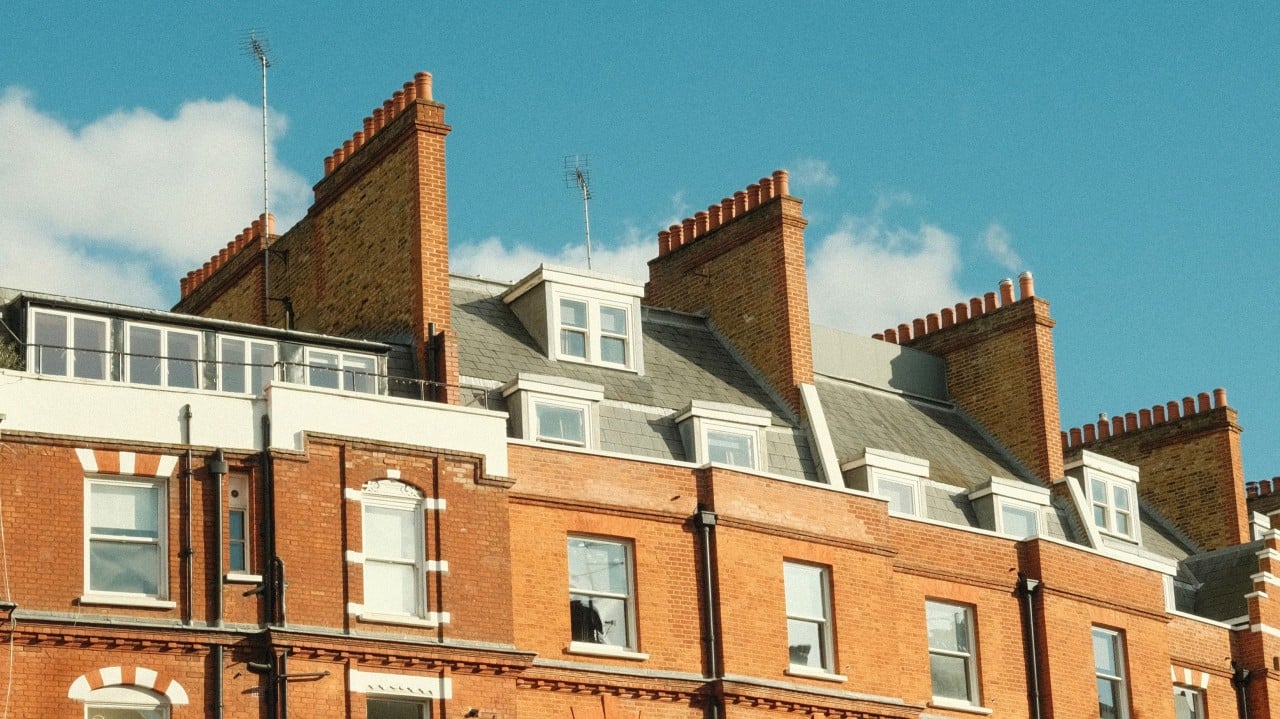
Walking around London this week, I’ve found myself stopping and staring up at the elaborate rows of chimney pots atop its beautiful old buildings.
It made me wonder: Is central heating to London’s chimney sweeps what artificial intelligence may be to Washington’s legions of lawyers?
A slightly provocative comparison, perhaps. But stay with me.
Those chimneys once represented an entire ecosystem of work. Homes needed coal delivered. Fires had to be laid. Grates cleaned. Ash removed. Chimneys swept. Then technology changed how people heated their homes, and much of that work disappeared.
We tend to think about technological disruption from the perspective of the jobs that exist today, rather than the jobs and industries that don’t exist yet.
We’ve been through this before - telephone operators, typesetters, elevator operators... Yet few of us would give up the technologies that replaced them simply to preserve the jobs they displaced.
Which brings me back to Washington and the anxiety surrounding AI.
I don’t think lawyers are going away. Nor are real estate agents, accountants, doctors or countless other professionals whose work is being transformed by artificial intelligence. But I do wonder how many tasks we perform today will seem astonishingly inefficient to future generations.
Legal research? Reviewing thousands of pages of documents? Preparing routine contracts? Data entry? Scheduling? Technology may prove much better at many of these tasks, leaving humans to concentrate on the things we do particularly well: judgment, creativity, persuasion, relationships and empathy.
Real estate will be no different. AI can already analyze enormous amounts of market data, virtually furnish a room and help buyers identify properties. But understanding why one house feels right and another doesn’t, knowing how far to push in a negotiation, or supporting a client through the emotional journey of buying or selling? I still like the humans for those.
The ornate chimneys didn’t disappear when Londoners stopped depending on fireplaces for heat. They’re still here, and part of what makes the city’s architecture so beautiful.
We changed how we lived while preserving what we valued.
Maybe that’s not a bad way to think about the technological revolution we’re living through now.